By Tyler
October 26, 2026
Energy efficiency remains a central consideration for homeowners seeking consistent comfort and manageable electric bills. Residential cooling equipment consumes substantial power during summer months, making system performance a primary factor in household budgeting. The Seasonal Energy Efficiency Ratio, known as SEER, serves as the standard benchmark for evaluating how effectively cooling systems convert electricity into cool air. Navigating these ratings allows property owners to select systems that deliver sustained comfort without wasting valuable power.
Selecting an appropriate rating requires looking past initial purchase prices to examine how operational performance influences long-term expenditures. Homeowners who evaluate seasonal metrics make confident investments tailored to their specific floor plans and climate. Trusted HVAC services assist in this process by examining home design, evaluating airflow dynamics, and explaining how differing rating tiers perform. Understanding these ratings empowers consumers to secure consistent cooling, reduce utility expenses, and enjoy dependable comfort across every warm season.
Understand Seasonal Energy Efficiency Basics
The Seasonal Energy Efficiency Ratio measures total cooling output throughout a warm season divided by total electric energy consumed across that period. Unlike metrics that evaluate performance during a single peak afternoon, seasonal ratings account for fluctuating outdoor temperatures to provide a realistic assessment of everyday performance. Equipment carrying higher ratings produces more cooling output per watt of power consumed, offering a dependable method for comparing seasonal electrical consumption across different models.
Efficiency standards have steadily increased over recent decades as regulatory agencies mandate stricter regional minimum thresholds to decrease grid strain. Modern baseline systems provide superior energy performance compared to older equipment installed in past eras. Continuous improvements in compressor engineering and heat exchangers enable current models to achieve impressive efficiency benchmarks. Homeowners can consult specialized HVAC services to evaluate existing equipment against modern standards, ensuring new installations comply with regional codes while lowering electrical draw.
Evaluate Your Household Cooling Demands
Regional climate serves as a primary variable when choosing an appropriate cooling efficiency tier for any residence. Homes in southern territories with extended, sweltering summers rely heavily on air conditioning for many consecutive months. In these warm environments, high-efficiency systems deliver dramatic power bill reductions that rapidly offset equipment costs. Conversely, residences in temperate regions with brief summers use cooling equipment less frequently, meaning standard baseline systems often supply sufficient comfort without steep purchase costs.
Home architectural characteristics also dictate the cooling capacity and efficiency tier required to maintain consistent indoor temperatures. Square footage, insulation levels, window placement, solar exposure, and airtightness govern how much heat a home absorbs on hot days. A spacious home with expansive glass requires equipment capable of managing substantial thermal loads without cycling erratically. Engaging certified HVAC services provides homeowners with precise cooling load calculations, preventing mistakes such as installing oversized units that struggle with humidity removal.
Compare Common System Efficiency Tiers
Residential cooling equipment generally falls into baseline, mid-tier, and premium efficiency brackets to match diverse budgets and comfort preferences. Baseline models offer the lowest purchase price, making them an accessible choice for emergency replacements on limited budgets. However, these basic systems rely on single-stage compressors that run at full capacity whenever active, drawing maximum electrical power regardless of cooling demand. Over years of regular summer use, higher electric bills can diminish initial purchase savings.
Mid-tier and premium cooling systems feature multi-stage or variable-speed compressors that automatically adjust output to match changing weather conditions. Operating at lower speeds during moderate afternoons, these units distribute air evenly, eliminate warm spots, and remove indoor humidity more effectively than basic systems. High-tier systems also produce quieter operation and experience less mechanical stress over time. Partnering with reputable HVAC services enables homeowners to compare expected operating costs, helping families select the tier that matches their financial goals.
Recognize Environmental and Financial Benefits
High-efficiency air conditioners deliver meaningful environmental advantages by reducing residential electricity consumption throughout warm seasons. Because power plants still burn fossil fuels to meet peak summer electric demand, lowering home power use diminishes harmful greenhouse gas emissions and reduces household carbon footprints. Adopting energy-conserving cooling equipment supports broader community sustainability efforts while reducing pressure on electrical grids during intense heat waves, helping homeowners conserve vital energy and protect air quality.
Modern engineering enhancements expand these environmental gains through smart thermostat integration and automated capacity controls that eliminate wasted energy. Connected thermostats track family occupancy patterns, adjust temperatures during vacant hours, and provide diagnostic alerts that prevent silent efficiency losses. Highly rated cooling equipment frequently qualifies for utility rebates and efficiency incentives that reduce purchase expenses, boosting property resale appeal by demonstrating lower projected electric bills to prospective buyers.
Maintain Dependable Equipment Performance
Even the highest-rated cooling system cannot maintain its intended energy performance if key components suffer from neglect, dust buildup, or restricted airflow. Dirty evaporator coils, clogged filters, and debris-covered outdoor condensers force compressors to work harder, accelerating component wear and lowering real-world operating efficiency. According to This Old House, routine upkeep allows home cooling systems to reach an operational lifespan of 15 to 20 years. Consistent preventative maintenance protects sensitive internal mechanisms, preserving the efficiency gains promised by factory ratings.
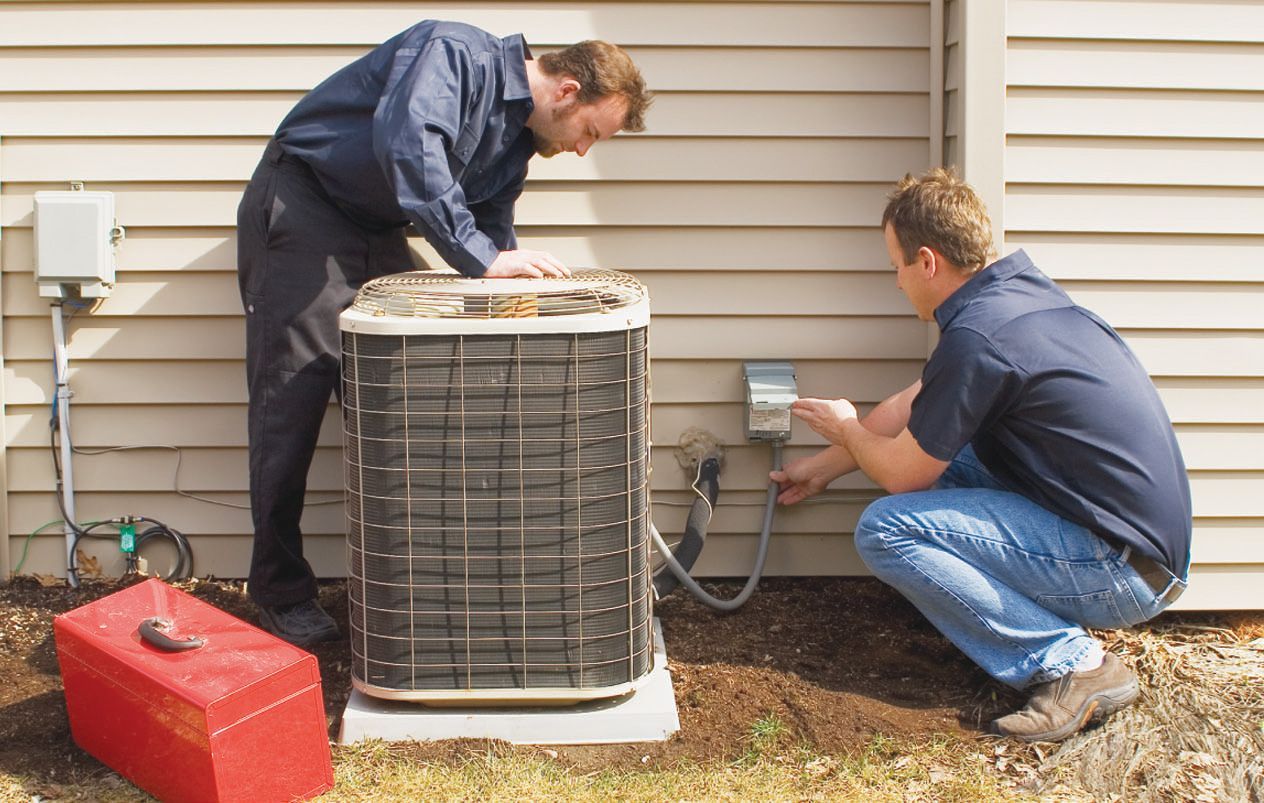
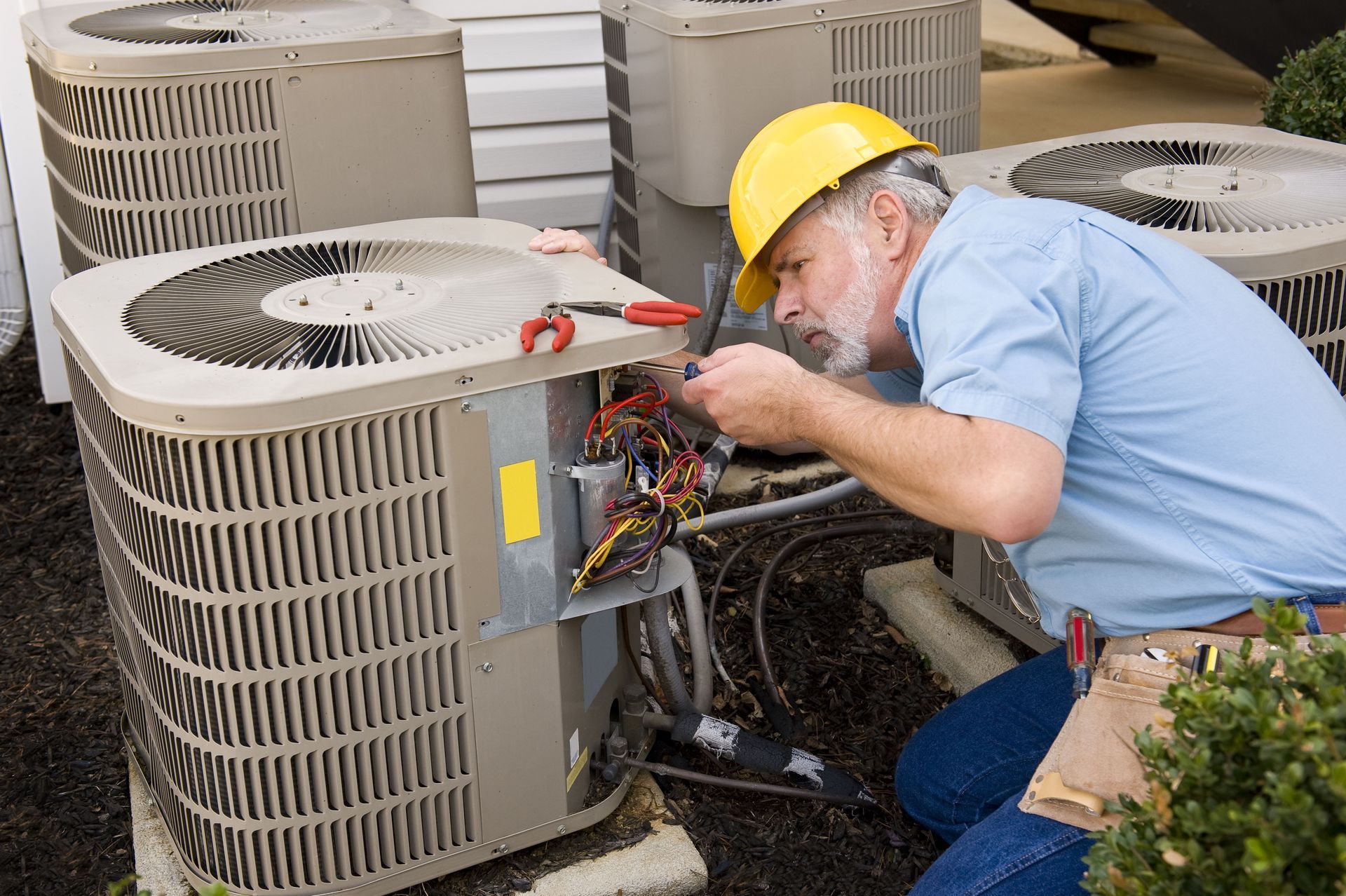
Safeguarding your cooling investment involves scheduling seasonal tune-ups with certified technicians who inspect electrical connections, measure airflow, and verify proper refrigerant levels. Knowledgeable technicians detect emerging mechanical issues before they develop into expensive mid-summer system breakdowns, preserving cooling capacity when outdoor temperatures soar. Engaging scheduled HVAC services ensures that internal fans remain balanced, coils stay clean, and condensate drain lines remain clear, keeping seasonal electricity bills manageable.
Select Experienced Installation Contractors
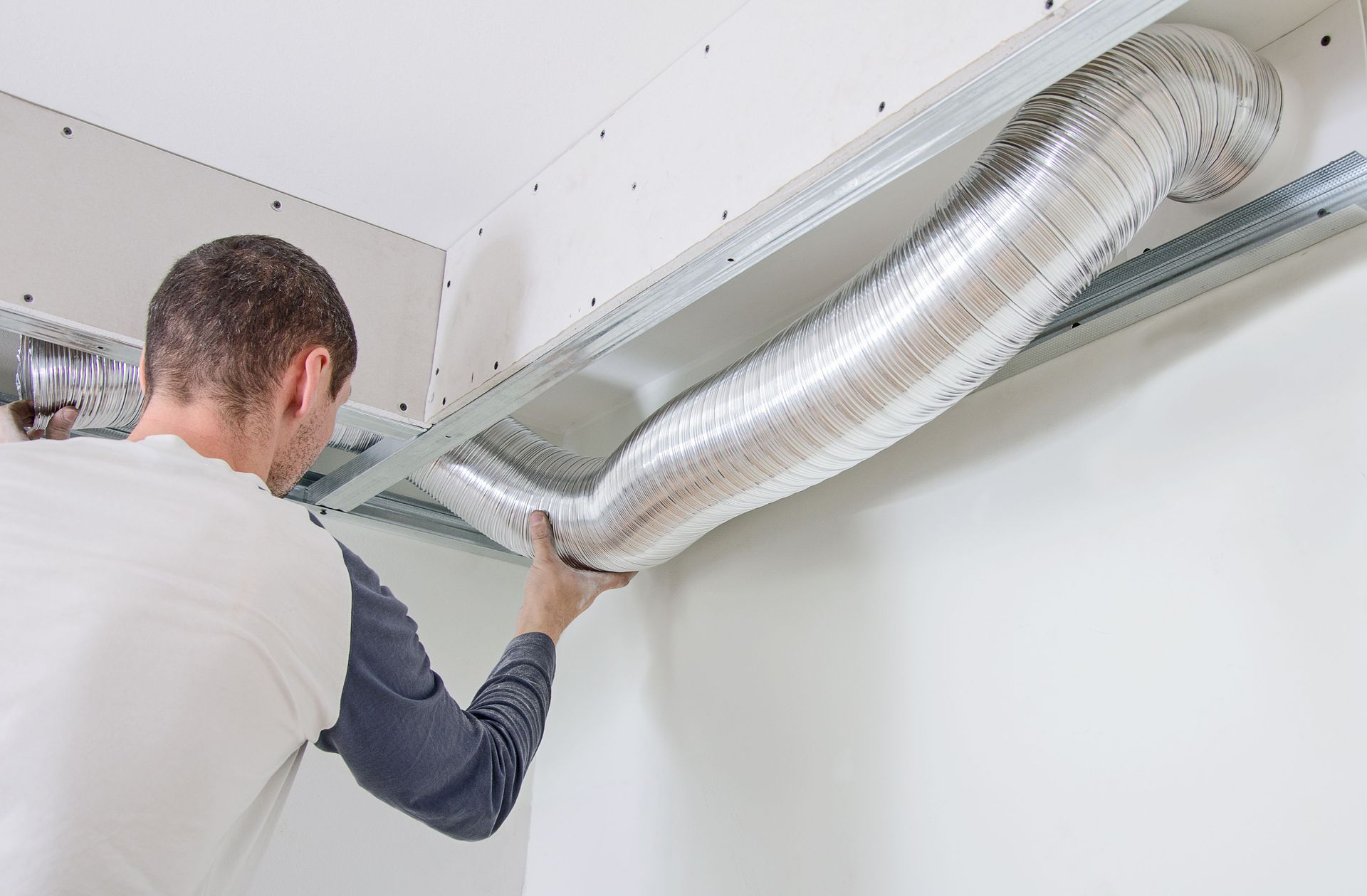
Selecting an appropriate efficiency rating represents only one component of achieving dependable indoor comfort, because proper equipment sizing and meticulous installation are equally important. If an air conditioner is paired with leaky ductwork or charged with improper refrigerant volume, its actual energy efficiency will fall far short of manufacturer specifications. Trained technicians examine ductwork integrity, test static pressure, and verify electrical circuits to guarantee that the installed unit operates at peak efficiency while preserving manufacturer warranty protections.
Collaborating with established contractors provides access to valuable guidance regarding modern cooling technologies, dual-fuel heat pump configurations, and indoor air purification options. Experienced technicians answer homeowner questions, explain efficiency ratings, and recommend systems that match specific lifestyle needs and financial expectations. Comprehensive HVAC services include careful post-installation testing, warranty support, and tailored ongoing maintenance agreements designed to protect equipment longevity and ensure comfortable living spaces.
Deciding on the proper cooling efficiency rating requires balancing local weather conditions, home architectural details, and long-term financial expectations. While baseline models present lower upfront costs, mid-tier and high-tier systems provide superior comfort, quieter performance, and substantial electric bill reductions over years of service. Homeowners who select equipment tailored to their regional cooling demands protect their monthly household budgets while reducing environmental strain. Scheduling dependable HVAC services for routine inspections ensures that your cooling equipment delivers sustained energy efficiency.
Investing in a modern air conditioner or heat pump enhances indoor air quality, stabilizes household temperatures, and increases long-term property marketability. Skilled technicians can assess your residence, perform precise load calculations, and guide you toward equipment that satisfies your cooling preferences and budgetary requirements. Partnering with trusted professionals for your installation and maintenance needs ensures that your cooling system operates smoothly and economically across every summer heat wave. Reach out to us at SUPERHEAT today to schedule your in-home cooling assessment, and let our dedicated team help you select the ideal energy-efficient system for your household.